Learn why successful companies embrace the liquid workforce
IoT developers

Hire IoT developers from device to cloud, for your platform or your product

Pre-vetted developers in firmware, connectivity, cloud and data, who join your team when connected work grows faster than you can hire. Nearshore on UK hours, or on site with your hardware. Daily or hourly rates, no minimum term.

Portrait of an engineer in an industrial setting

What an IoT developer does

An IoT developer builds the software that connects physical devices to the systems that use their data: on the device, across the network, and in the cloud.

‍

On a delivery team, an IoT developer typically:

  • writes firmware and edge software for sensors, devices and gateways
  • connects devices over the right protocols and networks, and handles patchy connections reliably
  • builds the cloud services that take in device data and manage the device fleet
  • builds the data pipelines, dashboards and alerts that turn device readings into decisions
  • secures devices and delivers software updates safely across a fleet in the field

‍

For embedded and firmware development more broadly, see embedded software development. For companion apps, see our mobile app developers. For cloud infrastructure and data pipelines, see our cloud engineers and data engineers.

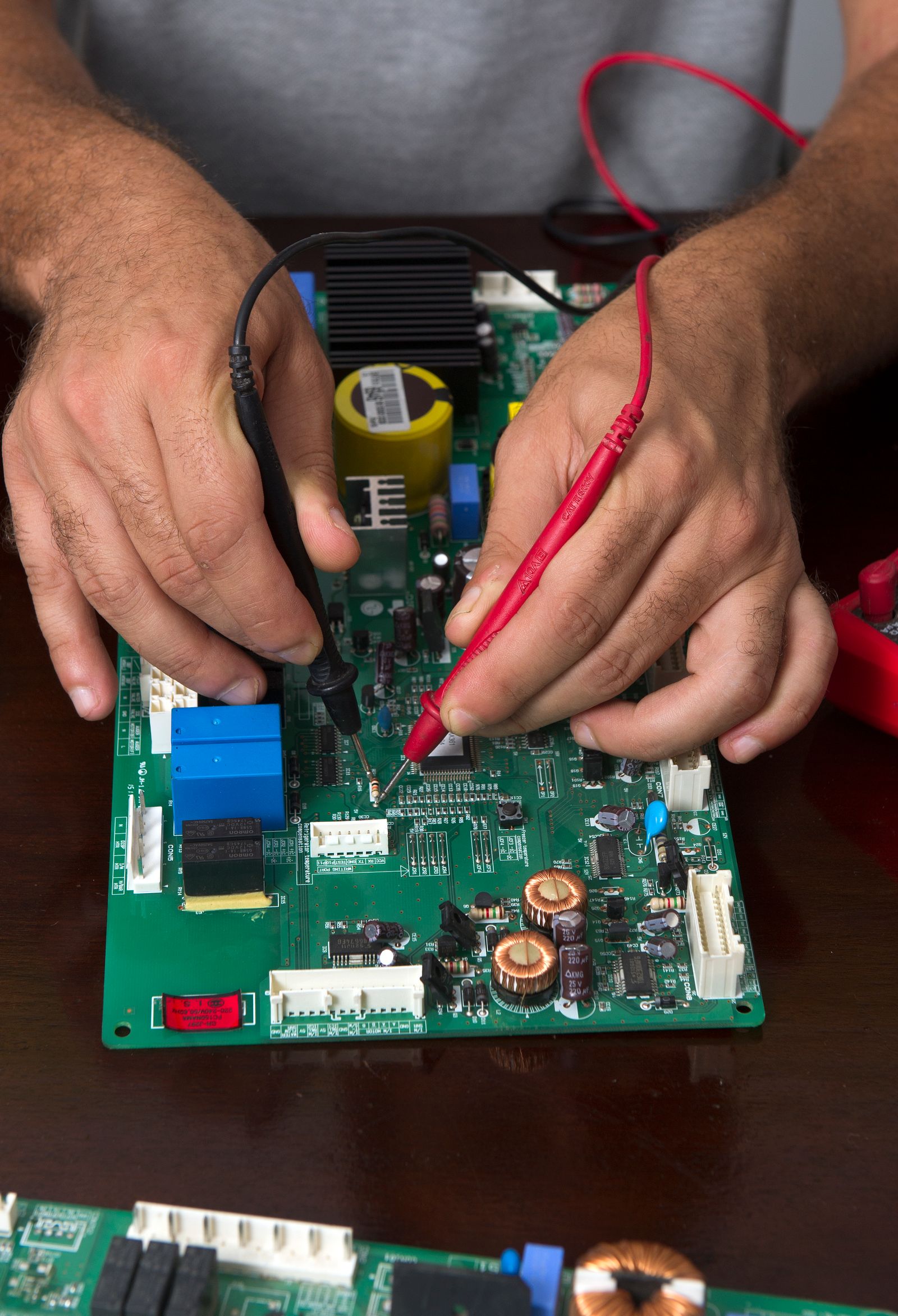
Man's hands working on a circuit board

When to bring in IoT developers

IoT developers make the difference when connected work grows faster than your team can hire for it.

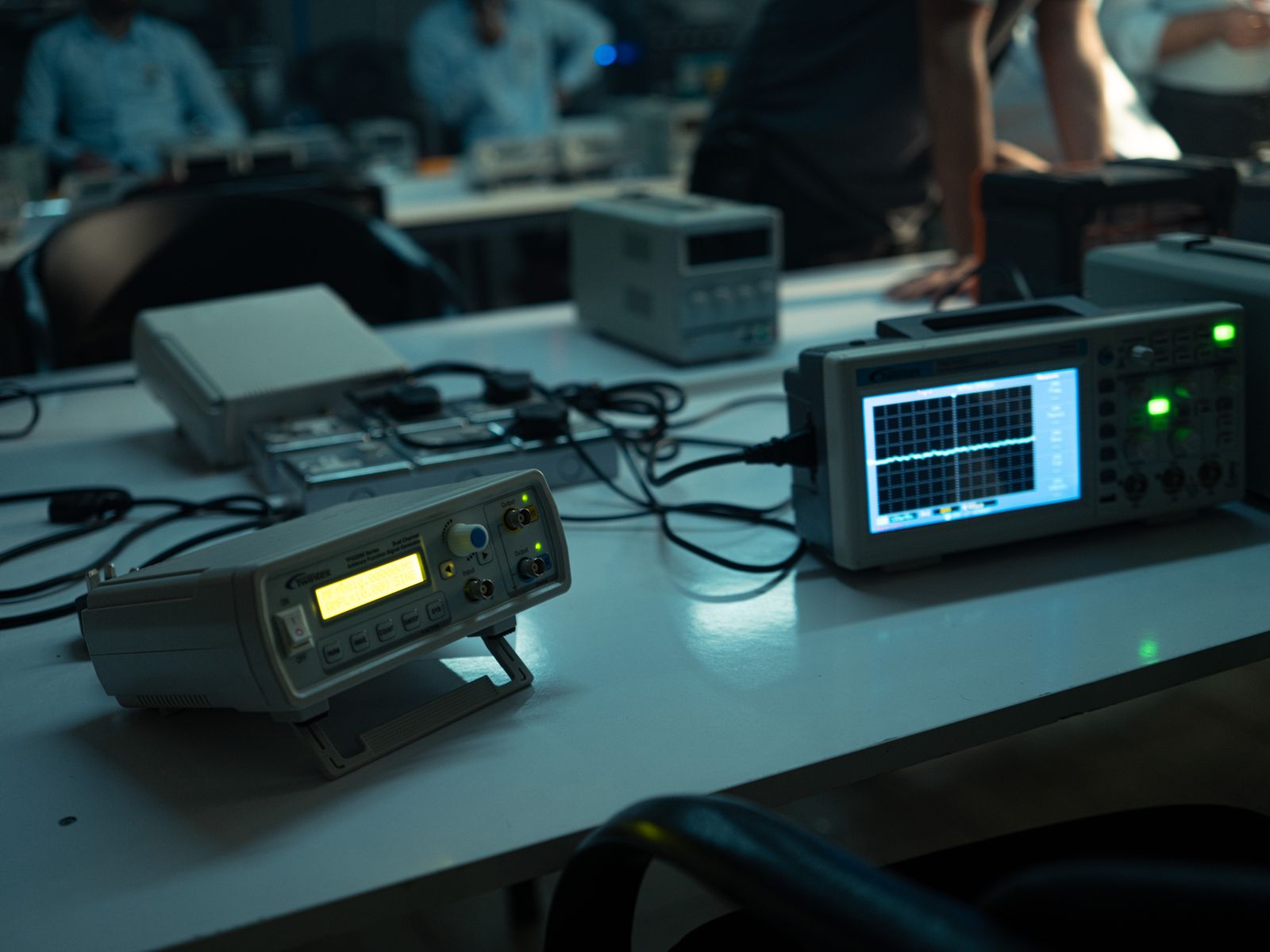
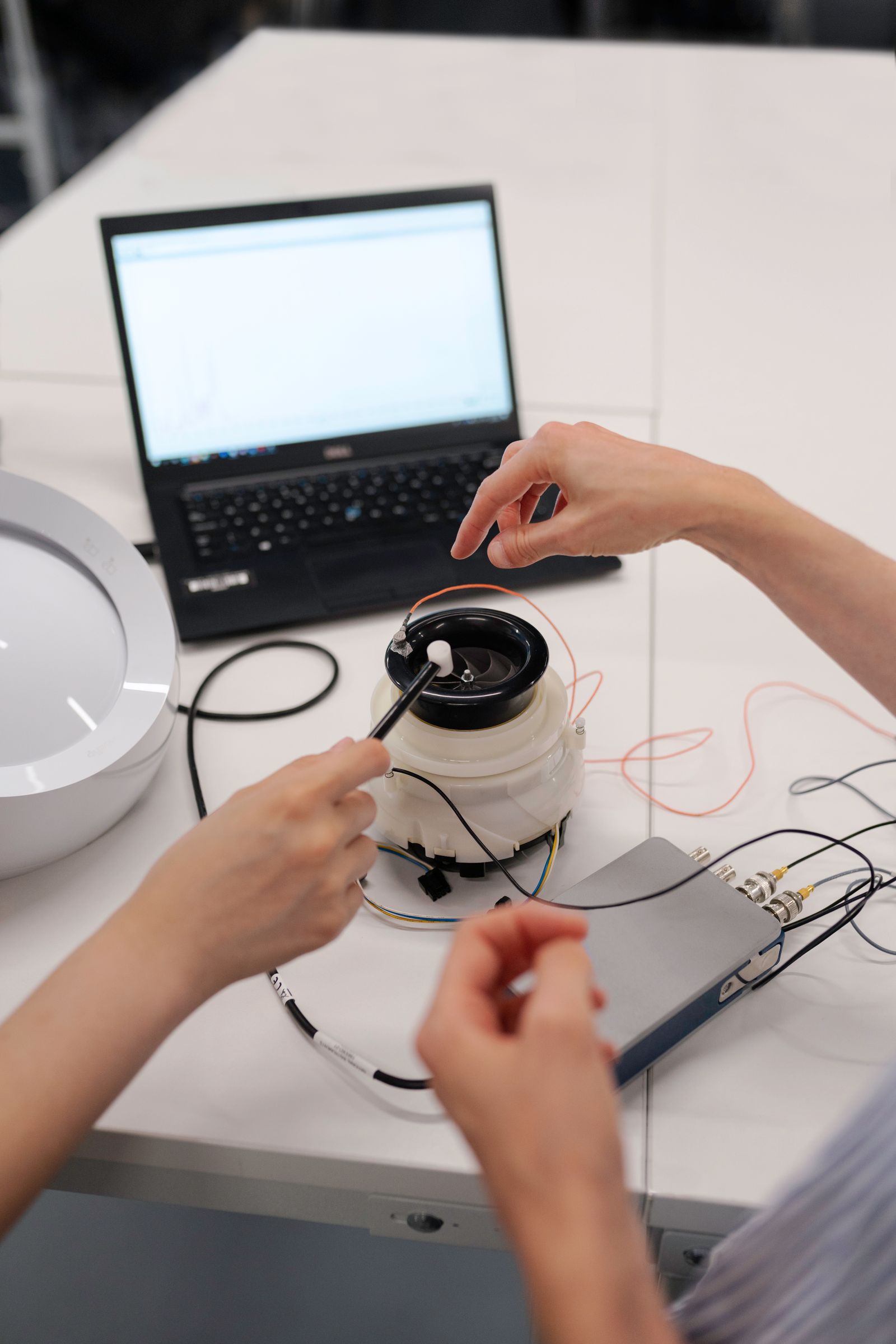
Electronics lab with oscilloscopes on the desksEngineers testing a product
Client rollouts are pulling engineers off the platform
Each new client brings new sites, devices and integrations, and your roadmap keeps slipping.
Your device fleet is outgrowing the platform
More devices, more data and more updates are stretching systems built for a pilot.
New devices need supporting
Customers want new sensors and gateways on your platform, and each one needs firmware, protocols and testing.
Connectivity has been added to a product programme
Your systems now need remote monitoring and software updates, and your hiring plan didn't include IoT skills.
A field trial or integration milestone is fixed
Devices, network and cloud have to work together on real hardware, on site, by the date.

IoT developer profiles

IoT work varies with the devices, the network and where the data goes. These are some of the profiles we supply:

‍

  • IoT firmware developer. Writes firmware and edge software for devices and gateways, in C, C++ or Rust.
  • IoT connectivity and gateway engineer. Connects devices over wireless and cellular networks, and builds the gateways that link them to the cloud.
  • IoT cloud and platform engineer. Builds device management, data ingestion and the platform services behind a fleet.
  • IoT data engineer. Builds the time-series pipelines, storage and dashboards that make device data useful.
  • IoT test and integration engineer. Tests devices, networks and cloud together, on rigs and in the field.
  • IoT lead. Sets the architecture from device to cloud, and leads a small group of developers.

‍

If you need a different mix, tell us what the work involves and we’ll match profiles to it.

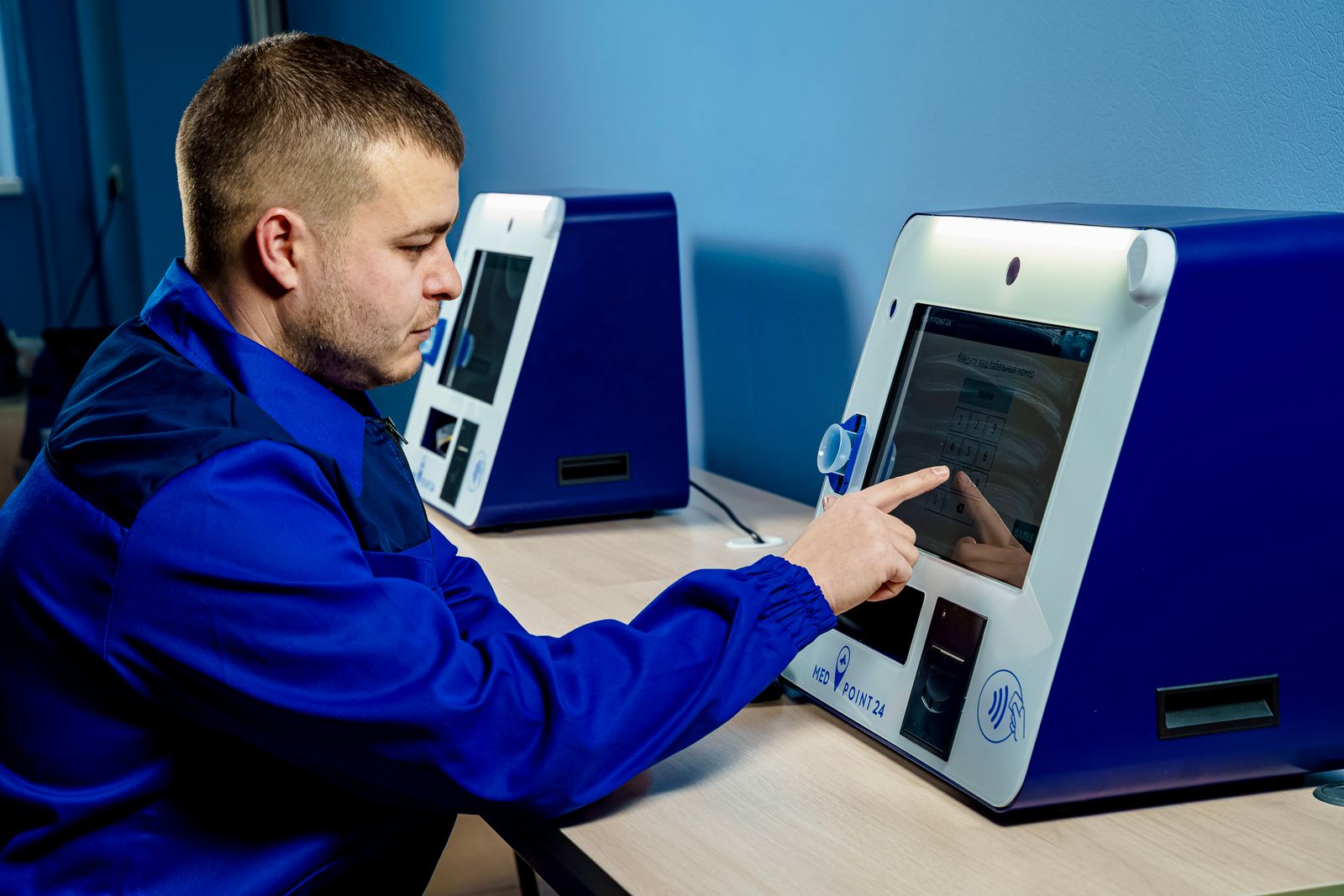
Man using a touchscreen machine

How teams use IoT developers

One specialist or a whole team across the stack, for as long as the work runs. They join your team and work to your processes and standards. You can start part-time, for example three days a week moving to five, and scale down with two weeks notice.

Where our IoT developers work from

Most work nearshore in Central and Eastern Europe on UK hours, so they’re online when your team is. Where the work needs hands on devices, engineers can work on site or in a hybrid pattern. For US work, developers in LATAM work US hours.

The Brightbox Approach

How we provide the best on-demand skills and teams

Define your need

We capture your project goals, tech stack, delivery context, team structure and required outcomes.

AI powered matching

Our platform analyses thousands of profiles to shortlist pre-vetted talent with the right skills, experience and availability.

Human interview

Human interviews with recorded assessments validate technical depth, approach to problem solving and cultural fit.

Technical tests and challenges

We use real world tasks and scenario based assessments aligned to your environment, so you see how candidates perform.

Final client interviews

You interview and select the Brightbox Associates who best meet your needs, supported by clear evaluation data.

Onboarding

We onboard the experts or teams quickly and smoothly, aligning tools, communication channels and ways of working.

Rapid placement

Engineers are deployed within days, not months, so your projects and products keep moving.

Continuous alignment

We run regular performance reviews and check-ins to ensure quality, fit and speed throughout the engagement.

How it works

When you hire IoT developers through Brightbox, they join your team as associates. They work under your direction, and we handle the rest.

Daily or hourly rates

Time and materials, billed on time you’ve signed off.

One person or a team

No minimum headcount.

No minimum term

Two weeks notice to scale down, either way.

Deployed in days

Not the months a permanent hire takes.

Replacement cover

If someone isn’t the right fit, we replace them and carry our cost during the handover.

You own the IP

Everything they build is yours.

Governance

A management layer around every engagement, so you’re not the one carrying a bad fit.

Your clients stay yours

Our people work under your brand, and we never approach your clients.

Diverse group of six colleagues collaborating and discussing work in a modern office with large windows and exposed brick walls.
Why choose Brightbox

The Brightbox advantage

01
Instant access to global talent

Profiles against your brief, matched to your devices, networks and cloud.

Two men focused on their laptops in a modern office setting, one wearing a pink shirt and the other a checkered shirt.
02
AI-driven precision

We're investing in technology to keep improving how quickly and accurately we match people to your brief.

Smiling woman with long brown hair holding a glass cup of dark beverage in a bright room.
03
Outcome first delivery

Each engagement starts from what has to work, and by when.

Two coworkers discussing content on a tablet in an office with two others blurred in the foreground.
04
Flexible engagement models

One specialist or a whole team, scaled up or down with two weeks notice.

Two colleagues smiling and collaborating at a desk with a laptop and tablet in a modern office.
05
Trusted by leading organisations

Product companies, engineering organisations and systems integrators use Brightbox to add capacity when the work lands.

Smiling woman in a business suit shaking hands with a person in an office setting.
FAQs
IoT developers
How much does it cost to hire IoT developers through Brightbox?

IoT developers are on daily or hourly rates, which depend on the specialism, seniority and where they work from. Ask and we'll send a rate card.

How quickly can an IoT developer start?

Often within days, though some specialisms can take longer. Tell us your timeline, and we'll tell you honestly what we can do.

Which IoT technologies do your developers work with?

Most work with C, C++ or Rust on the device, protocols such as MQTT, wireless and cellular networks, and the cloud platforms and databases your system uses. Tell us your stack, and we'll match developers who've worked with it.

Do I need an IoT developer or an embedded software engineer?

If the work is mainly inside the device, such as firmware, drivers or real-time control, see embedded software development. If it spans devices, networks and the cloud, or the platform that manages a fleet, an IoT developer is the better fit. Tell us about the work and we'll suggest the right mix.

Can they work across device, cloud and app?

Yes. We can put together a team that covers firmware, connectivity, cloud and data, and bring in mobile app developers for companion apps.

Can they handle secure updates and device security?

Yes. They can build secure update processes, manage device identity and credentials, and follow your security requirements across the fleet.

Can they work on site with our hardware?

Yes. Where the work needs hands on devices, rigs or field sites, engineers can work on site, or in a hybrid pattern with remote work where the hardware isn't needed.

Can you build our IoT product?

We supply IoT developers to product companies, engineering organisations and in-house teams who run their own delivery. If you need someone to own the outcome, we can introduce a proven delivery partner from our network who takes on that responsibility.

Can we hire IoT developers for just a few months?

Yes. There's no minimum term, and you can scale down with two weeks notice. A client rollout or a field trial is a common reason. Engagements shorter than about six weeks rarely work, because onboarding takes too much of the time.

Who owns the code?

You do. Everything they build is yours, including firmware, cloud services and configurations.

How do you handle IR35?

We've worked both inside and outside IR35, and we work with a partner to help with status determinations when needed.

Need IoT developers for what you're connecting?

Send us a short brief. We'll come back with matched profiles and rates.